
Back and neck injuries are the most common injuries in New York workers’ compensation, and they are also the most fought over. A shoulder or a knee is easy to point to. A back is not. The carrier will often say the problem was already there, that it is just age, or that it should have healed by now.
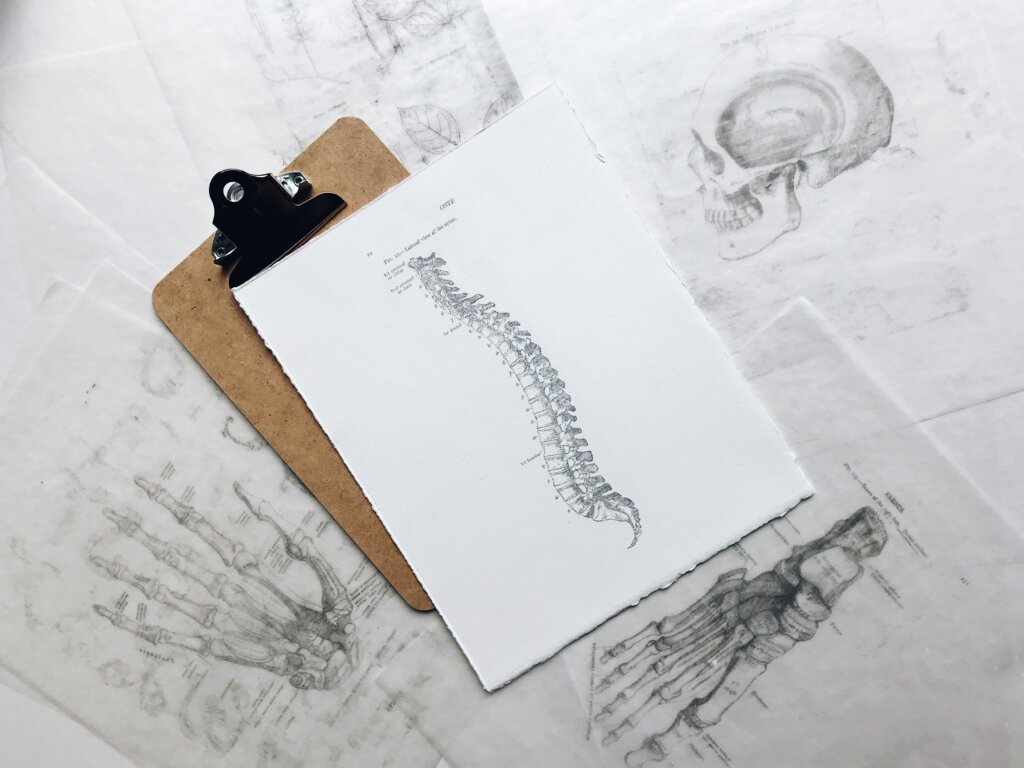
The spine is also treated differently from most of the body in a New York claim, in three ways that matter: what treatment you can get, how the carrier argues about causation, and how your claim is valued at the end. This page walks through each one.
How back and neck injuries happen at work
Some happen in one moment: lifting a patient, catching a falling load, a fall from a ladder or a truck bed, a car crash while driving for work, being struck by something on a job site. Others build up over months or years: repeated lifting in a warehouse, overhead work in construction, long hours driving, or bending over a bed in a nursing home.
Both kinds are covered. You do not need a single dramatic accident. A back or neck condition that develops from the ordinary demands of your job can be a compensable claim too, though it is proven differently. Our page on occupational disease explains how.
“Degenerative” is not the end of the conversation
Here is the argument you are most likely to hear. You get an MRI, and alongside the herniated disc it mentions degenerative disc disease, arthritis, or bone spurs. The carrier’s doctor writes that your problem is degenerative and not related to work.
Almost every adult’s spine shows some degeneration on an MRI, including people with no pain at all. That is why New York law does not stop there. A work injury that aggravates, accelerates or brings to life a condition you already had is compensable. The question is not whether your spine was perfect before. It is whether work made it worse.
What usually wins that argument is the before and after: you were working full duty with no treatment, then something happened at work, and since then you have had pain, imaging findings and limits you did not have before. A treating doctor who explains that in writing, with reasons, carries real weight. In one reported case, the Board approved lumbar fusion surgery for a worker whose MRIs showed worsening degenerative disc disease, after conservative treatment had failed.
Treatment follows the Board’s back and neck guidelines
Medical care in a New York claim follows the Board’s Medical Treatment Guidelines, and there are separate guidelines for the mid and low back and for the neck. They cover diagnostic testing, physical therapy, chiropractic care, injections, medication and surgery.
For you, the guidelines cut both ways:
- Treatment that follows the guidelines is generally pre-authorized. Your doctor does not have to ask the carrier’s permission for most of it.
- Some procedures need approval first. Several complex surgeries, including lumbar fusion, require prior authorization from the carrier, and a denial can be challenged before the Board.
- Treatment outside the guidelines needs a variance. If your doctor wants to do something the guidelines do not recommend for your situation, the doctor has to request a variance and explain why.
Denials of surgery and other treatment are common in back and neck cases. We cover how they work, and how to fight them, in the medical treatment guidelines and prior authorization, denied surgery, and what happens if you decide against surgery.
Your doctor’s reports and the carrier’s exam
In most claims you choose your own Board-authorized doctor (see using your own doctor). In a back or neck case, that doctor’s reports are the backbone of the claim. They need to say, consistently, that the injury is related to work, and they need to state your degree of disability as a percentage at each visit. Long gaps in treatment are a gift to the carrier, so keep your appointments.
Expect the carrier to send you to its own doctor for an independent medical examination. In spine cases those reports often say the condition is degenerative, that treatment should stop, or that you can go back to work. When the two doctors disagree, the judge decides. Our page on independent medical exams explains what to expect and your rights at the exam.
Money while you are out
While your doctor says you cannot work, or can only work with restrictions, you may be owed weekly benefits based on your average weekly wage. If your employer offers lighter work within your restrictions, read our page on light duty offers before you answer. If you go back at lower pay, you may be owed reduced earnings benefits.
There is no schedule award for the spine
This is the biggest difference between a back or neck claim and an arm, leg or hand claim. Injuries to the arms, legs, hands, feet, eyes and hearing are valued with a schedule loss of use award, a set number of weeks based on the percentage of lost use. The spine is not on that schedule.
Instead, once your doctors say you have reached maximum medical improvement, the Board decides whether you have a permanent disability and classifies it. If you are found permanently partially disabled, the Board sets a loss of wage-earning capacity percentage, and that percentage caps how long weekly benefits can run. For accidents on or after March 13, 2007, the cap ranges from 225 weeks for a loss of 15 percent or less up to 525 weeks for a loss of more than 95 percent. Medical care for the injury generally continues after weekly benefits end. A worker found permanently totally disabled is not subject to the cap.
Classification is where back and neck cases are often won or lost, because the medical evidence, your work history, education and skills all feed into that percentage. Read classification and loss of wage-earning capacity and schedule loss of use vs. classification. Many classified cases are eventually resolved with a Section 32 settlement.
When a back or neck injury causes other problems
Spine injuries rarely stay in the spine. A neck injury can send pain, numbness or weakness down an arm. A back injury can change how you walk, and months later your hip or knee starts to give out. Pain and lost work can lead to depression. Those can be added to the claim as consequential injuries.
It is also common to hurt the neck and a shoulder in the same accident. In that case the shoulder may be valued with a schedule award while the neck is classified, and the two interact. See schedule loss of use and classification from the same accident.
When someone other than your employer caused it
If you were hurt in a car crash while driving for work, or a general contractor, property owner or another company caused the accident, you may also have a personal injury case alongside your comp claim. In a car accident case, a back or neck injury generally has to meet New York’s serious injury threshold, and the comp carrier usually has a lien on the recovery. See how the comp lien works in a car accident case.
What to do now
- Report the injury to your employer in writing within 30 days. Name the body part, your back or your neck, and say how it happened.
- See a Board-authorized doctor and tell them it happened at work. Describe what you were doing, such as lifting, twisting, falling or a crash.
- Be honest about prior back or neck problems. Hiding an old injury can be treated as a false statement, with penalties far worse than the old injury. See Section 114-a.
- Keep going to treatment. Gaps in care are one of the carrier’s favorite arguments.
- Be careful what you post. Carriers watch social media and hire investigators in spine cases. See surveillance and social media.
- Call us. You can sign up without coming to the office.
Frequently Asked Questions
Can I get workers’ comp for a herniated disc?
Yes, if your work caused it or made an existing condition worse. A herniated or bulging disc from lifting, a fall, a crash or repetitive work can be a compensable injury in New York. The carrier may argue it is degenerative, so your treating doctor’s opinion on causation matters.
My MRI says degenerative disc disease. Does that end my claim?
No. Most adults show some degeneration on an MRI. In New York, a work injury that aggravates, accelerates or brings to life a pre-existing condition is compensable. The question is whether work made your condition worse, not whether your spine was perfect before.
Do back and neck injuries get a schedule loss of use award?
No. The spine is not on the schedule used for arms, legs, hands, feet, eyes and hearing. Back and neck injuries are instead classified once you reach maximum medical improvement, and a loss of wage-earning capacity percentage determines how long weekly benefits can be paid.
How long can I collect benefits for a back injury?
While you are temporarily disabled, weekly benefits continue based on your degree of disability. If you are later classified as permanently partially disabled, benefits are capped by your loss of wage-earning capacity, from 225 weeks for a loss of 15 percent or less up to 525 weeks for a loss over 95 percent, for accidents on or after March 13, 2007. Medical care generally continues after weekly benefits end.
Will workers’ comp pay for back surgery?
It can. Surgery that is medically necessary and consistent with the Board’s Medical Treatment Guidelines is covered, but several complex procedures, including lumbar fusion, require prior authorization from the carrier. If the carrier denies it, the denial can be challenged before the Board.
I hurt my back before. Should I tell my doctor?
Yes. Be honest about any prior back or neck injuries or treatment. A prior condition does not bar a claim if work made it worse, but hiding it can lead to a finding that you made a false statement under Workers’ Compensation Law Section 114-a, which can cost you benefits.
Talk to a New York workers’ compensation attorney
The Law Offices of Frank J. Dito, Jr. is a workers’ comp law firm on Staten Island, handling claims for injured workers throughout the five boroughs and across New York State. Back and neck cases reward someone paying close attention to the medical record, the carrier’s exams and the classification evidence. Call, and we will tell you where your claim stands.
Call 718.701.2776 or 800.310.5520. Consultations are free. If we don’t recover money for you, we don’t get paid.
1610 Richmond Road #200, Staten Island, NY 10304